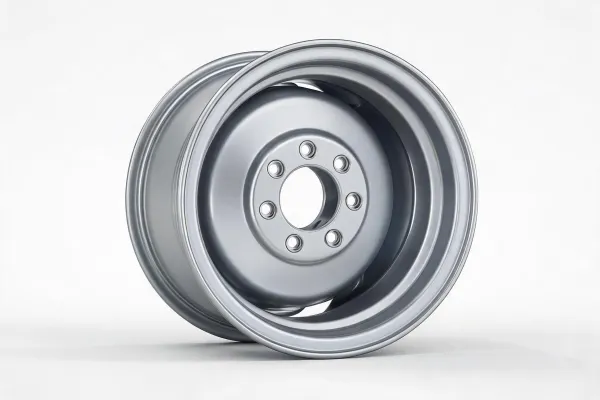
Steel wheels
Review rim geometry and load requirements for commercial duty.
Wheel engineering
Steel and alloy wheel programs begin with geometry, load and duty cycle. Bring the drawing and application to a focused engineering discussion.
Explore wheels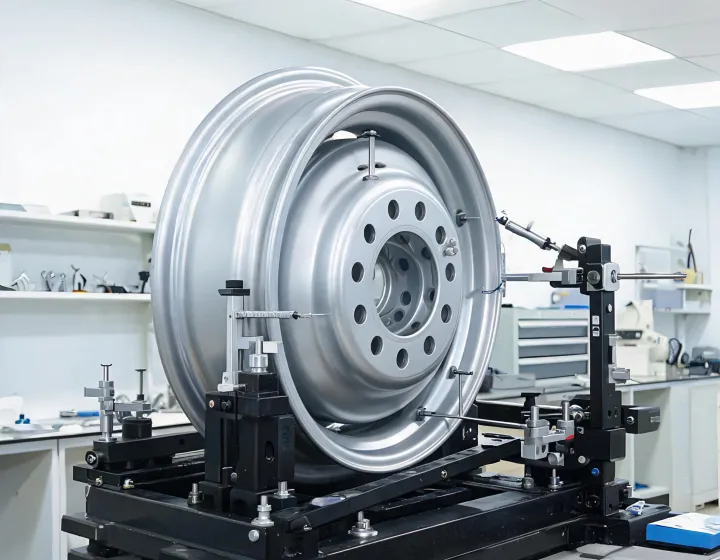
Product families
Review rim geometry and load requirements for commercial duty.

Compare forged or cast construction against the application brief.
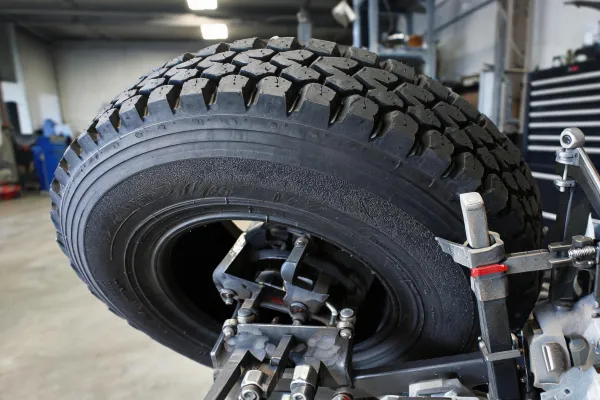
Match rim dimensions to the specified tire and operating conditions.
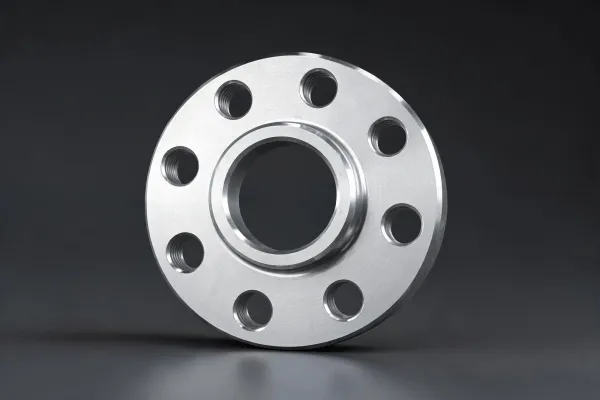
Check center bore, mounting face and bolt circle together.
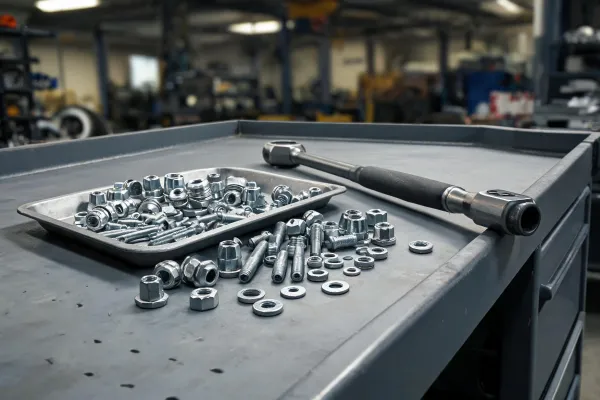
Document fastener seating and installation requirements.
Record diameter, width, offset, PCD and center bore against the vehicle interface.
Agree load cases, test methods and acceptance criteria for the intended duty cycle.
Identify drawings, revisions and test records relevant to the product and market.
Define how lot and inspection information can be linked to the order.
Requirements depend on product, destination market and application. A management-system certificate is separate from a product approval.
Axle load, mounting and service duty inform wheel selection.
Interchangeability and maintenance records shape the replacement brief.
Surface conditions and load cycles must be described for evaluation.
Request documents appropriate to the exact wheel and program.
Wheel drawing, interface dimensions and installation requirements.
Inspection and test evidence subject to agreed scope and availability.
Request documentation →Share the vehicle interface, load and target market to frame your inquiry.